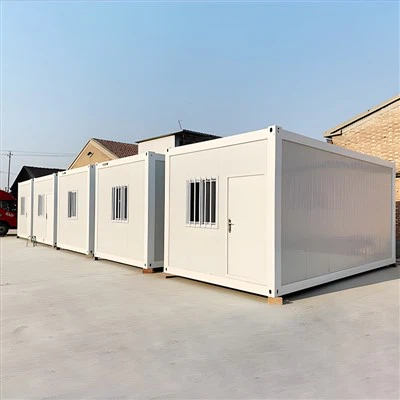
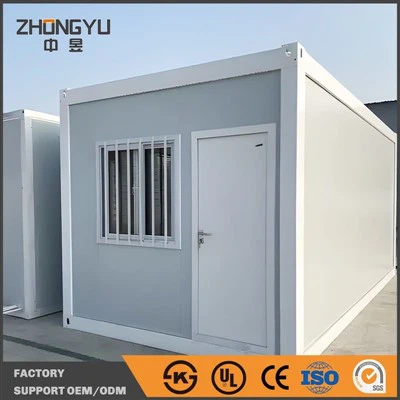
Drawing from real engineering projects, this paper explores the application of BIM (Building Information Modeling) technology in container house design, with an emphasis on modularization strategies, factory-based production, and on-site assembly techniques. The findings demonstrate that such buildings not only improve construction efficiency and quality, but also fulfill the requirements for green development, quick installation, and smart integration-providing a solid reference for future container house plans. The study also draws on public case studies such as "Los Angeles homeless shipping container housing", and recommends utilizing filetype:pdf container house resources for scalable design replication.
Introduction

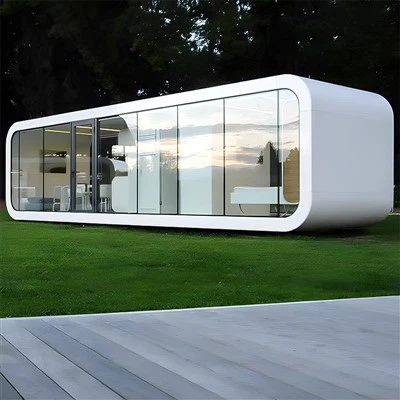
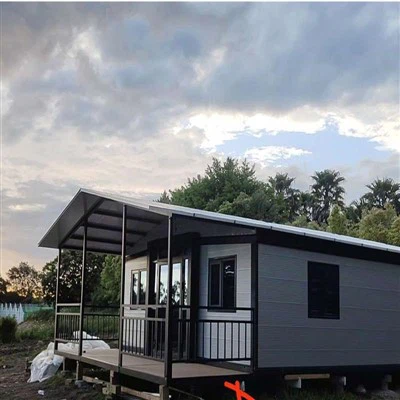
Container house construction, with its modularity and rapid assembly capabilities, is widely used in various settings, including construction site offices, temporary dormitories, pop-up commercial spaces, tourism resorts, and even luxury modular villas. Utilizing standard 20ft or 40ft ISO containers as base units, architects can generate flexible layouts by combining units vertically or horizontally to meet diverse functional needs. This design methodology has been enhanced through digital tools and collaborative platforms such as BIM.
The rapid construction of facilities such as Xiaotangshan Hospital (2003) and Huoshenshan and Leishenshan Hospitals (2020) illustrates the practical advantages of BIM-assisted container house design, mirroring the rapid-deployment principles found in international projects like "Los Angeles homeless shipping container housing."
Project Overview
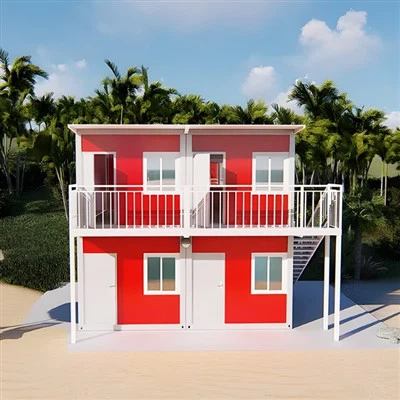
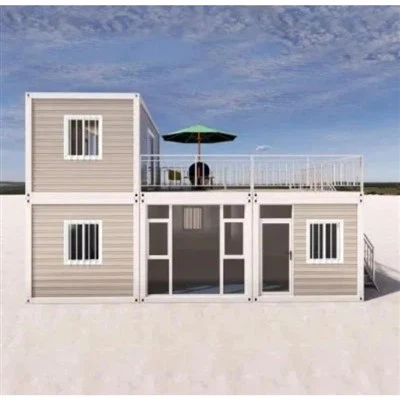
This project, located on Commercial Street in University Town, Hefei City, was designed as a modular property management office using four 3m×9m×2.9m container units arranged in a two-story stacked configuration. With a total floor area of 108m², the building includes rooftop walkways, external stairs, and resting platforms.
It exemplifies a well-integrated container house plan, with water, electrical systems, and interior finishes completed off-site in the factory, enabling fast plug-and-play installation-similar to the strategies illustrated in public filetype:pdf container house blueprints issued by LA City Planning for transitional housing.
During the design phase, BIM served as the primary platform for collaboration and integration. The following strategies were applied to enhance the precision of this container house design project:
3.1 Integrated Information Modeling
BIM consolidated MEP (mechanical, electrical, plumbing), structural, and spatial modules into a unified model, ensuring high coordination across disciplines.
3.2 Modular Standardization
Units such as prefabricated bathrooms, stair modules, and façade panels were designed according to standardized grid systems, enhancing compatibility with container house plans across different regions.
3.3 Construction Process Visualization
3D walkthroughs and simulations enabled the team to preview each phase of the construction process, significantly reducing the risk of on-site rework.
3.4 Sustainability and Reusability
The use of reusable modules, prefabricated integration, and minimal on-site labor aligns this project with the principles of green building-as emphasized by LEED frameworks and demonstrated in case studies like "Los Angeles homeless shipping container housing."

Container Construction Technology and Site Integration
4.1 Frame and Envelope Fabrication
4.1.1 Steel Structure Frame
The container base and roof were fabricated using welded I-beams and square tubes, with custom 25mm-thick corner fittings. These components are compatible with international container handling systems, as detailed in several filetype:pdf container house manuals.
4.1.2 Openings and Cladding
Doors and windows were positioned using laser-aligned welding methods. Pressure-formed steel sheets were applied to the roof and wall surfaces and finished with anti-corrosion coatings.
4.2 Interior and Exterior Finishes
4.2.1 Flooring
With 600mm beam spacing, 14mm wood core panels, and commercial-grade laminate finishes, the floor system ensured durability and user comfort.
4.2.2 Wall and Roof Systems
Rock wool insulation and calcium silicate boards were used to provide thermal performance and fire resistance. High-density insulation panels (≥180kg/m³) and wave-type corrugated roofing panels were applied, with internal ceilings also finished in calcium silicate boards.
4.2.3 Prefabricated Extensions
Prefabricated stairs, balconies, and platforms were transported to the site and installed using bolting or welding techniques, maintaining full compatibility with standardized container house plans.
4.3 Transport and Installation
Modules were secured using standard corner lifting holes and transported via flatbed trucks. On-site unloading and installation were completed in less than one day-a hallmark of efficient container house design systems.
5. Conclusion: Container House Design as a Future-Proof Strategy
This case study demonstrates that when container house design is paired with BIM coordination, modular planning, and off-site production, it can significantly improve construction speed, cost efficiency, and sustainability.
In a global context where filetype:pdf container house resources support open-source knowledge sharing, and where the need for accessible public housing continues to grow, projects like "Los Angeles homeless shipping container housing" offer scalable, community-driven design solutions.
By documenting and sharing these methodologies, professionals can expand the boundaries of prefabricated architecture and make smart container house plans accessible to urban developers, rural planners, and humanitarian organizations alike.
Here are more promotional website URLs of our company
The Google website:http://www.verygoodhouse.com/
The Google website:https://www.goodcapsulehouse.com/
The Google website:www.prefabhousefactory.com
The Chinese website:www.sdzhongyuhouse.com