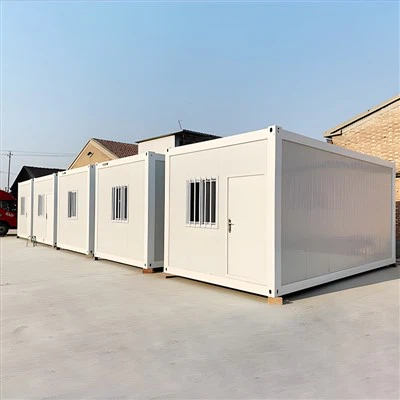
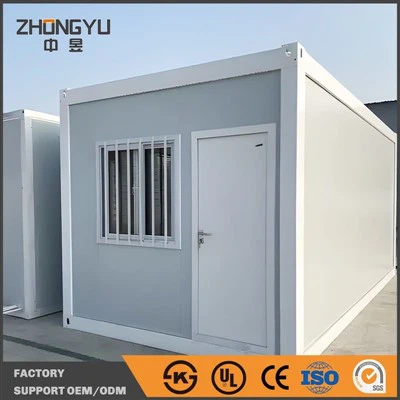
What is Expandable House?
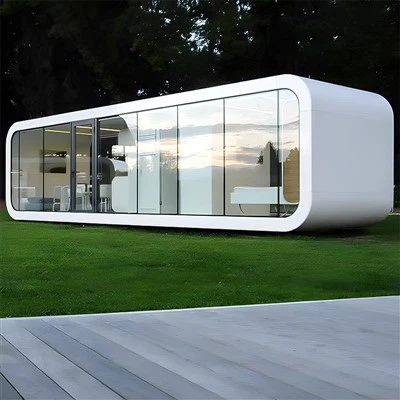
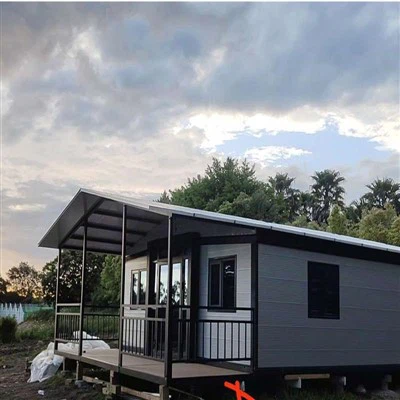
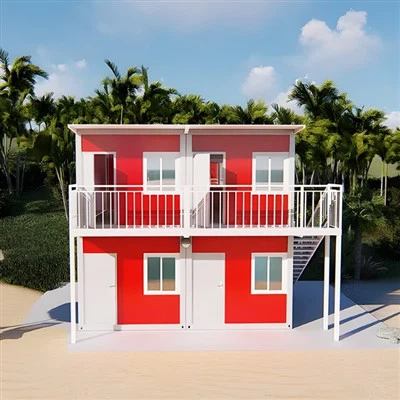
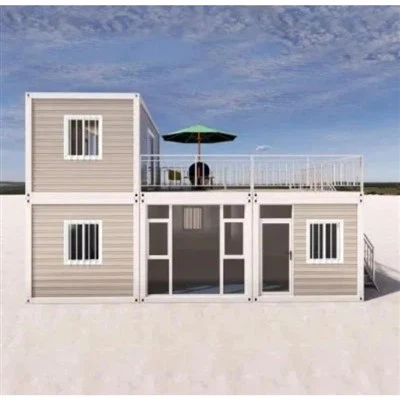
Expandable house is a new type of modular housing structure with unfoldable and foldable functions, widely used in various scenarios such as temporary construction, emergency rescue and personalized living. It is prefabricated in the factory and quickly installed on site, which greatly saves labor and time costs. The product has the outstanding advantages of high reuse rate, convenient transportation, high cost performance, etc. A single box can realize the efficient space utilization of “one room price, three room rate”. Expansion box compact structure, adapt to sea, land and air transport, suitable for frequent mobilization and multiple use, especially suitable for construction sites, disaster relief and home customization and other demand scenarios, is the ideal choice to achieve efficient deployment and flexible living.
Why Choose Us
Our Factory
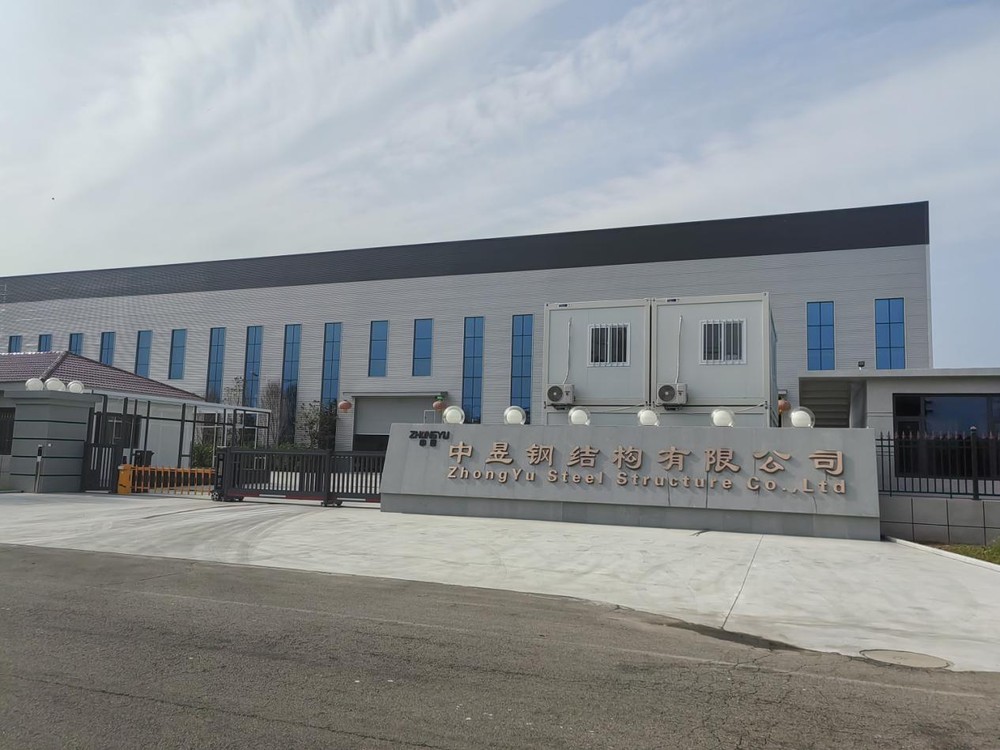
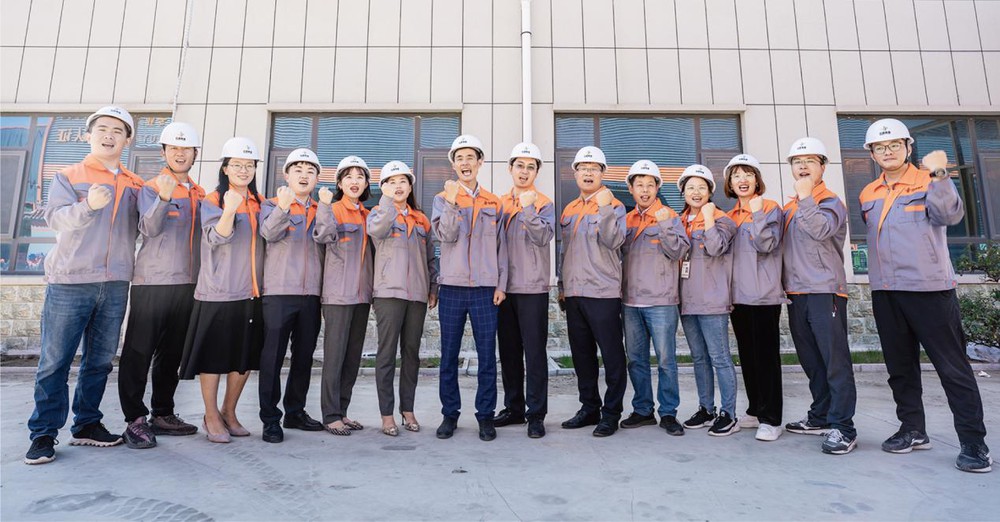
The company covers a total area of more than 100,000 square meters, employs more than 500 people, with an average annual output of 50,000 sets of flat houses. Zhongyu Group aims to be a hundred years of conscience enterprise, to bear social responsibility, to create the industry's best products, and to contribute to the realization of the rise of China's pro-construction industry..
Sales Market
At present, the company's products have been exported to 35 countries and regions such as Australia, the Middle East, Asia, Africa and South America.Recently exported to Australia a batch of expandabe house, very popular with local farmers, they said they can design their own, and can move in on the same day, very like.
Rich Experience
Zhongyu Group has experience in large-scale project construction, providing on-site installation services for customers, and making every effort to save time and economic costs for customers. This is our successful construction of rehabilitation hospitals in a very short period of time, so that the container house has become a miracle of temporary construction!
Stable Quality
The company with a strong technical team, strict quality control team, pragmatic research and development team, experienced sales team and skilled production team, Zhongyu Group has successfully made Zhongyu Group's expandable container houses go out of China by virtue of good management, strict quality control and high-quality after-sales service.
-
![Mobile Expandable Prefab House With 3 Bedrooms]() Mobile Expandable Prefab House With 3 BedroomsThe main advantages of expandable housing include space efficiency, environmental sustainability, adaptability, multifunctional use, cost-effectiveness, safety, and customizable design.read more
Mobile Expandable Prefab House With 3 BedroomsThe main advantages of expandable housing include space efficiency, environmental sustainability, adaptability, multifunctional use, cost-effectiveness, safety, and customizable design.read more -
![20 ft Expandable House with Balcony]() 20 ft Expandable House with BalconyThe internal flooring of our houses features a 20mm calcium silicate board and anti-corrosive multi-layer bamboo-wood composite board. Our composite board undergoes special treatment, with a coated surface using a process that isread more
20 ft Expandable House with BalconyThe internal flooring of our houses features a 20mm calcium silicate board and anti-corrosive multi-layer bamboo-wood composite board. Our composite board undergoes special treatment, with a coated surface using a process that isread more -
![20 ft Expandable House with 2 Bedroom]() 20 ft Expandable House with 2 BedroomThe advantages of expanding housing mainly include space saving, environmental protection, flexibility and versatility, low cost, flexibility, safety, and customization. read more
20 ft Expandable House with 2 BedroomThe advantages of expanding housing mainly include space saving, environmental protection, flexibility and versatility, low cost, flexibility, safety, and customization. read more -
![Wooden Expandable House]() Wooden Expandable HouseIntroducing our innovative expandable houses with wood-grain design, a perfect blend of functionality and aesthetics. Our expandable houses come in two variations, each offering a unique appeal to cater to diverse preferences.read more
Wooden Expandable HouseIntroducing our innovative expandable houses with wood-grain design, a perfect blend of functionality and aesthetics. Our expandable houses come in two variations, each offering a unique appeal to cater to diverse preferences.read more -
![20 ft Expandable House with Roof]() 20 ft Expandable House with RoofIn an era where space efficiency and sustainability are paramount, the Expandable Container House emerges as a groundbreaking solution for modern living. Derived from robust shipping containers and reinforced with high-grade steel, theseread more
20 ft Expandable House with RoofIn an era where space efficiency and sustainability are paramount, the Expandable Container House emerges as a groundbreaking solution for modern living. Derived from robust shipping containers and reinforced with high-grade steel, theseread more -
![40 FT Expandable House]() 40 FT Expandable HouseThe internal area of the 40 foot expandable house is 72 square meters, which is enough for 5-8 people to live in. The internal space is sufficient to build 1 to 8 bedrooms, 1 or 2 toilets, and 1 kitchen. Due to the increase in length, theread more
40 FT Expandable HouseThe internal area of the 40 foot expandable house is 72 square meters, which is enough for 5-8 people to live in. The internal space is sufficient to build 1 to 8 bedrooms, 1 or 2 toilets, and 1 kitchen. Due to the increase in length, theread more -
![40 ft Folding Expandable Container House]() 40 ft Folding Expandable Container HouseThe Expandable Container House is a modern modular housing solution designed for quick deployment, flexible use, and long-term durability. Unlike traditional container homes, it folds compactly for shipping and expands on-site into aread more
40 ft Folding Expandable Container HouseThe Expandable Container House is a modern modular housing solution designed for quick deployment, flexible use, and long-term durability. Unlike traditional container homes, it folds compactly for shipping and expands on-site into aread more


Features of Expandable House
Easy to build
It can be said that it is the most popular feature of expandable container homes. It is unlike other houses, which require a lot of work to be prepared in advance when building. Instead, the construction work can be completed directly through simple hoisting. In construction, there is no need to use materials such as soil and giant sand, which saves a lot of resources. It is quite convenient to install, save time and effort, and will not affect the surrounding residents.
Sturdy and durable
Although China container house does not need to use soil, sand, and other building materials when building, their durability is relatively strong; in the process of use, they will not easily have quality problems, lighting, and ventilation. The aspect is also reasonably good, the lifespan can reach about 20 years, and the most important thing is that the mobility is relatively high. It can be moved back and forth according to demand, unmatched by traditional houses.
Low carbon environmental protection
At present, environmental pollution is relatively severe. Therefore, China has always advocated ecological protection. Among all the factors that cause severe environmental pollution, building construction has always had a significant impact on the environment, especially construction. The generated garbage and dust have always been a headache for the country. Expandable container homes are called low-carbon and environmentally friendly housing construction because they do not require construction during construction.
The Technology Behind Expandable Container Homes
The evolution of expandable container homes has been driven by advancements in several key areas:
Structural Engineering
Structural modifications are essential to transform rigid shipping containers into flexible living spaces. Engineers have developed various techniques to reinforce container walls and create openings for expandable sections without compromising structural integrity.
Hydraulic and Mechanical Systems
Many expandable container homes rely on hydraulic or mechanical systems to facilitate the expansion process. These systems have become increasingly sophisticated, allowing for smooth, efficient transitions between compact and expanded states.
Materials Science
The development of lightweight, durable materials has played a crucial role in the evolution of expandable container homes. Composite materials and advanced insulation solutions have improved the thermal performance and overall livability of these structures.
Smart Home Technology
Recent years have seen the integration of smart home systems into expandable container homes, allowing for automated expansion, climate control, and energy management.
The environmental benefits of expandable container homes
Expandable container homes are not only visually striking but also have a minimal environmental impact. These homes are built using repurposed shipping containers, which reduces the demand for new construction materials. By reusing these containers, we are reducing waste and the carbon emissions associated with the manufacturing of traditional building materials.
Additionally, expandable container homes are designed with energy efficiency in mind. The use of high-quality insulation materials helps to keep the interior temperature stable, reducing the need for excessive heating or cooling. This not only saves energy but also lowers electricity bills, making these homes a cost-effective choice for environmentally conscious individuals.
Expandable container homes also have the potential to revolutionize the housing market by minimizing the impact of urban sprawl. With the ability to stack and arrange these homes in various configurations, they can be easily integrated into existing communities without encroaching on natural habitats or agricultural land. This approach promotes sustainable development and preserves our precious resources for future generations.
Energy efficiency in expandable container homes
Energy efficiency is a key aspect of sustainable living, and expandable container homes excel in this area. These homes are designed to maximize natural light, with strategically placed windows and skylights that allow for ample day lighting. This not only reduces the need for artificial lighting but also creates a bright and welcoming living space.
To further enhance energy efficiency, expandable container homes often incorporate solar panels into their design. These panels harness the power of the sun to generate clean, renewable energy, reducing reliance on traditional energy sources. With advancements in solar technology, these homes can now produce enough energy to meet their own needs and even contribute excess energy back to the grid.
In addition to solar power, expandable container homes can be equipped with energy-efficient appliances and fixtures. LED lighting, energy-efficient heating and cooling systems, and low-flow water fixtures all contribute to reducing energy consumption and lowering electricity bills. These small changes can add up to significant energy savings over time.
Water conservation in expandable container homes
Water scarcity is a growing concern worldwide, making water conservation a crucial aspect of sustainable living. Expandable container homes address this issue by incorporating water-saving features into their design.
Rainwater harvesting systems are a popular feature of these homes, collecting rainwater from rooftops and storing it for later use. This water can be used for various purposes, such as irrigation, flushing toilets, or even drinking with the appropriate filtration system. By utilizing rainwater, expandable container homes reduce the strain on municipal water supplies and promote responsible water usage.
To further minimize water waste, these homes often feature low-flow water fixtures. These fixtures reduce water consumption without sacrificing performance, making it easy to conserve water without compromising comfort or convenience. Additionally, expandable container homes can be designed to include greywater recycling systems, which treat and reuse water from sinks, showers, and washing machines for non-potable purposes.
Sustainable materials and construction methods
Expandable container homes are built with sustainability in mind, utilizing eco-friendly materials and construction methods. The use of repurposed shipping containers reduces the demand for new materials and helps divert waste from landfills. These containers are incredibly durable and can withstand harsh weather conditions, making them an excellent choice for eco-conscious homeowners.
To ensure the structural integrity and energy efficiency of these homes, they are often retrofitted with high-quality insulation materials. This minimizes heat transfer, keeping the interior comfortable and reducing the need for excessive heating or cooling. The insulation also helps to dampen noise, creating a peaceful and quiet living environment.
Beyond the containers themselves, other sustainable materials can be incorporated into the design of expandable container homes. From bamboo flooring to recycled countertops, there are countless eco-friendly options available to create a stylish and environmentally conscious living space.
Cost savings and financial benefits of expandable container homes
In addition to the environmental benefits, expandable container homes offer significant cost savings and financial benefits. These homes have a lower upfront cost compared to traditional construction methods, making them an attractive option for those looking for affordable housing. The use of repurposed shipping containers reduces the need for expensive building materials, resulting in substantial savings.
Furthermore, expandable container homes are designed to be low-maintenance, which translates to reduced upkeep costs in the long run. The durable nature of shipping containers means they require minimal repairs and are built to withstand the test of time. This can result in significant savings on maintenance and repair expenses compared to traditional homes.
From a financial perspective, these homes can also provide an opportunity for additional income. With the rise of the sharing economy, some homeowners have turned their expandable container homes into profitable short-term rentals. The unique design and eco-friendly features of these homes make them highly desirable to eco-conscious travellers, allowing homeowners to generate income while promoting sustainable living.
The versatility and adaptability of expandable container homes
One of the key advantages of expandable container homes is their versatility and adaptability. These homes can be easily expanded or contracted to accommodate changing needs and lifestyles. Whether it's a growing family, a home office, or a creative space, expandable container homes can be customized to fit specific requirements.
The modular nature of these homes allows for easy additions and modifications. Additional containers can be seamlessly added to create more living space, while removable walls and partitions make it easy to reconfigure the layout as needed. This adaptability ensures that expandable container homes can grow and evolve with their occupants, reducing the need for moving or extensive renovations.
Furthermore, the portability of expandable container homes allows for relocation if desired. These homes can be transported to a new location, making them an ideal choice for those with a nomadic lifestyle or those who value the freedom to live in different areas. This flexibility sets expandable container homes apart from traditional housing options and opens up a world of possibilities for sustainable living.
Expandable container houses have gained popularity as an innovative and sustainable solution to housing needs worldwide. These portable structures, derived from standard shipping containers, offer flexibility, cost-effectiveness, and ease of transportation. As the demand for expandable container houses continues to rise, one crucial question remains: How sturdy are they?
The sturdiness of expandable container houses is a vital aspect to consider, especially when assessing their suitability for various environments and climates. The primary material used in constructing these houses is corten steel, a highly durable and corrosion-resistant steel designed to withstand harsh conditions during shipping and storage. This makes expandable container houses inherently robust, capable of handling the rigors of transportation across long distances.
Once in place, expandable container houses require proper foundation support to ensure their stability and durability. The foundation can vary depending on the location and intended use of the house. For instance, a concrete slab foundation provides a stable base for a permanent installation, while adjustable steel frames are used for temporary setups, allowing easy relocation if needed. Properly anchored to a solid foundation, these structures can endure various weather conditions, including high winds and heavy snow loads, making them suitable for a range of climates.


The expansion mechanism of these container houses relies on hydraulic or manual systems, which should be engineered for smooth and secure operation. High-quality expansion mechanisms, when maintained and operated correctly, ensure that the extended sections fit snugly into place, providing additional stability to the overall structure. Regular inspections and maintenance are essential to preserving the integrity of the expansion system and mitigating any potential issues.
The sturdiness of an expandable container house can be enhanced through customization and reinforcements. For example, homeowners can choose to add steel bracings, insulation, or roof reinforcements to adapt the house for specific environmental challenges or increased load-bearing capacity.
It is essential to consider the quality and condition of the shipping container used as the base for the expandable house. While corten steel provides excellent durability, older containers might show signs of wear and tear, which could affect their structural integrity. Reputable suppliers and manufacturers of expandable container houses thoroughly inspect and refurbish the used containers to ensure they meet safety standards and offer a sturdy foundation for the house.
What to Look for When Buying an Expandable Container House?
The basic structure of expandable container homes begins with one or more standard shipping containers that serve as the main building components. These structures are generally made of a strong, corrosion-resistant material, steel. The primary feature differentiating these homes from others is their ability to increase size using different mechanisms.
Expansion Mechanisms
There are many expansion methods for making living space bigger in expandable container houses:
Slide-out sections: These extensions can increase the inner part of the house, similar to motorhomes.
Folding panels: Walls or roof areas that unfold to give rise to new rooms or outdoor zones.
Stackable modules: More container units can be fixed horizontally or vertically, thus expanding the home's floor area.
If you are considering buying an expandable container home, there are several factors that you must consider before making your decision. Knowing these major things will help you make the right choice and ensure your new residence meets all your requirements.
Structure Integrity and Changes
In analyzing the integrity status of containers, look for any signs of rusting, dents, or other structural defects. The corners and load-bearing points should be carefully examined, as they are critical in maintaining the container's integrity. Additionally, evaluate any modifications that may have been performed on it, such as cutting windows, doors, or other openings meant to reinforce it, thus keeping its strength intact.
Temperature Control
They could be difficult to insulate effectively because they are made from metal. Find out what kind of insulation is and how good it is in the house. Properly done insulation helps maintain a comfortable indoor temperature and cuts energy costs. Seek houses with superior-quality insulating materials and match them with the area's climate conditions.
Plumbing and Electrical Systems
Inspect plumbing systems and electrical services with care. These should always be done by skilled people who follow all local building codes. Ask your contractor or seller for proof of inspections and permits. Consider outlet positioning, water pipelines, and waste removal methods carefully. Make sure you use electricity according to your power requirements and have a good space arrangement for the plumbing system.
Compliance with Local Regulations
Look up zoning laws and building codes before making a final decision on what to buy. Certain areas may have particular regulations specifically designed for container homes. Verify that the house satisfies all applicable local ordinances for permanent structures, including size, foundation requirements, safety standards, etc. Always apply for necessary permits to avoid involving oneself in legal issues that might arise later on.
Sustainability and Eco-Friendliness
Expandable modular homes usually attract ecologically aware homeowners. Reusing shipping containers gives them a second chance that they would otherwise lose. In addition, these homes can be built in modules, reducing construction waste and lessening energy usage compared to traditional building approaches.
Customizing Your Container Home Layout and Design
One of the most interesting parts about buying an expandable container house is that you can choose how your home will be designed. So, this flexibility enables you to have a house that perfectly fits all your needs and fashion preferences. Here are tips on how you can maximize the layout and design of your container home:
Optimizing Space Utilization
Every inch in a container home counts; Thus, try to maximize it by;
Multi-functional furniture (e.g., Murphy beds, fold-down desks)
Built-in storage solutions
Sliding doors to help save space
Open floor plans for creating a spacious feel.
Therefore, despite its small area, one can ensure their container unit feels roomy and welcoming by carefully planning its interior layout.
Maintenance and Upkeep of Container Houses
First of all, the use of container house process must regularly check the house situation, when the house is found to appear box door deformation, door closure is not tight, water leakage and so on, need to rest or replacement. Secondly, if the door locks have failed or broken, to replace the new door locks.
Appearance, the living container room to do regular maintenance, usually about two years maintenance once. It is best to maintain about once a year, so that the container room will not occur corrosion phenomenon, increase the service life.
For internal steel structures, there is usually conductive equipment inside. During use, care should be taken that conductive equipment such as wires and cables are not wrapped around the steel structure components to prevent conductive injuries. Don't use high-power electrical appliances in the box room, and cut off the power supply during leaving the container room. It should also be noted that: electric wires should not be tied directly to the steel structure to prevent leakage of electricity electrocution occurs.
If you don't maintain it, the paint will fall off. Then you need to repaint. Sunlight will affect the box and cause peeling or rust. If this happens, paint the box. Otherwise, even a high-quality container will corrode. A protective film is better for maintaining the box.
Pay attention to the sun, due to regional environmental differences, such as some areas of high humidity throughout the year, so also need to pay attention to moisture work. Storage of residential container room, must pay attention to the shade. If there is moisture back inside, it will have a great impact on it, and once the moisture back mould occurs, it will greatly reduce its service life and cause damage to the walls.
Our Factory
Founded in 2013, Zhongyu Group has four large wholy-owned subsidiaries and four production bases, including Zhongyu Steel Structure Co., Ltd., Weifang Zhongyu Metal Products Technology Co., Ltd., Shandong Zhuwei Metal Products Co., Ltd., and Guangdong Zhonghong jinyu integrated Housing co., Ltd. t is a large group enterprise integration the R&D, production, processing, and sales of temporary construction facilities such as flat-packing container house,detachable, metal products, and light steel villas, The company's housing construction system has all realized industrial production, with a complete supply chain management system and a professional logistics and installation service system to provide customers with a comprehensive solution for temporary housing.
FAQ
We're well-known as one of the leading expandable house manufacturers and suppliers in China. If you're going to buy high quality expandable house at competitive price, welcome to get more information from our factory.
-
![Modern Prefab Apple Cabin - Premium Container Home With Light-Filled, High-Ceiling Design]() Modern Prefab Apple Cabin - Premium Container Home With Light-Filled, High-Ce...【Applicable Crowd】:- Crowd 1, Temporary housing and emergency resettlement, construction site camps, smart dormitoriesread more
Modern Prefab Apple Cabin - Premium Container Home With Light-Filled, High-Ce...【Applicable Crowd】:- Crowd 1, Temporary housing and emergency resettlement, construction site camps, smart dormitoriesread more -
![Mobile Expandable Prefab House With 3 Bedrooms]() Mobile Expandable Prefab House With 3 BedroomsThe main advantages of expandable housing include space efficiency, environmental sustainability, adaptability,read more
Mobile Expandable Prefab House With 3 BedroomsThe main advantages of expandable housing include space efficiency, environmental sustainability, adaptability,read more -
![Prefab Tiny Detachable Container House]() Prefab Tiny Detachable Container HouseBuilding dimensions: W 6055*2990*2896mmframe:2.5mm thickness galvanized steelWaterproof: without woodread more
Prefab Tiny Detachable Container HouseBuilding dimensions: W 6055*2990*2896mmframe:2.5mm thickness galvanized steelWaterproof: without woodread more -
![20FT PREFAB FLAT PACK CONTAINER HOUSE HOME]() 20FT PREFAB FLAT PACK CONTAINER HOUSE HOMEProduct Name: Flat-Pack Container House (Modular Packable Unit)Model: Standard 20ft or CustomizedBrand:read more
20FT PREFAB FLAT PACK CONTAINER HOUSE HOMEProduct Name: Flat-Pack Container House (Modular Packable Unit)Model: Standard 20ft or CustomizedBrand:read more -
![Steel House Movable Shipping Container House Prefab Modular Folding Container House For Sale]() Steel House Movable Shipping Container House Prefab Modular Folding Container...A fast-deploy, foldable steel container house designed for mobility and efficiency.Strong, insulated, and space-savingread more
Steel House Movable Shipping Container House Prefab Modular Folding Container...A fast-deploy, foldable steel container house designed for mobility and efficiency.Strong, insulated, and space-savingread more -
![Container House For Hotel]() Container House For HotelContainer houses are innovative, portable housing solutions. These modular structures can be easily disassembled,read more
Container House For HotelContainer houses are innovative, portable housing solutions. These modular structures can be easily disassembled,read more