


1.Delivery in spare parts, save shipping cost
2.Easy for installation, low requirement for worker.
3.Flexible combination, can be combined by multiple units creatively, to be...

What is Detachable Container House?
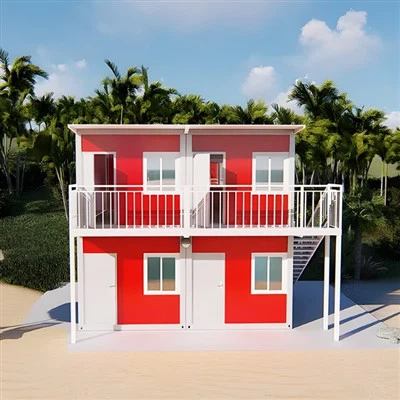
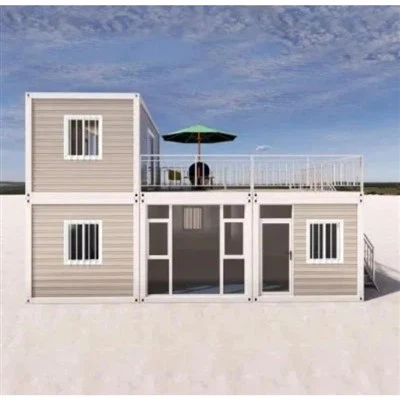
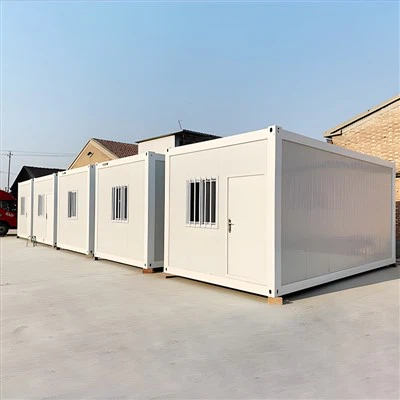
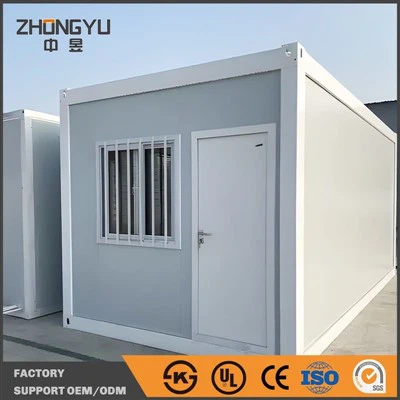
A detachable container house is often referred to as a modular house because it can be erected and disassembled in just a few hours. This unique construction method offers many advantages, including the ability to erect and disassemble buildings without the need for welding.
Why Choose Us
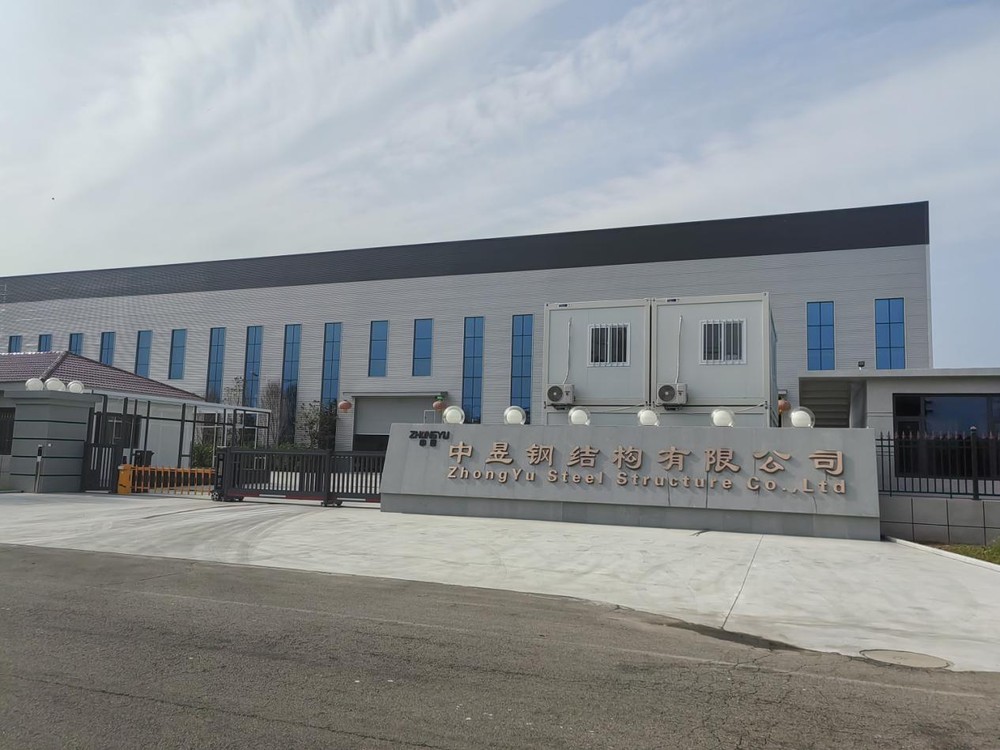
Our Factory
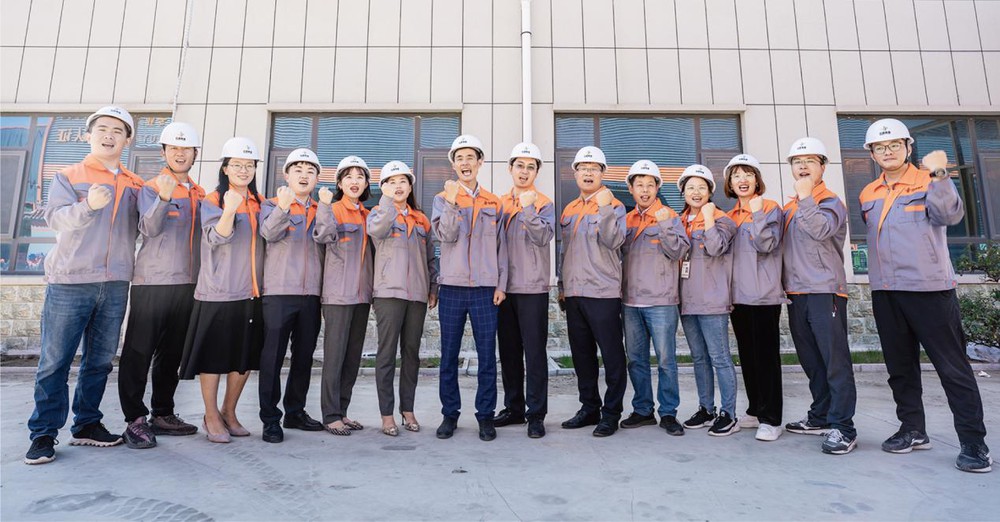
The company covers a total area of more than 80000 ㎡, with more than 500 employees and an average annual capacity of 50000 sets of flat-packing houses.
Sales Market
At present, the company's products have been exported to 35 countries and regions such as Australia, the Middle East, Asia, Africa and South America.
Rich Experience
Zhongyu Group has experience in large-scale engineering construction, providing on-site installation services to customers and making every effort to save time and economic costs for them. This is our engineering case, which successfully built a rehabilitation hospital in a very short period of time.
Stable Quality
The company's housing construction system has all realized industrial production, with a complete supply chain management system and a professional logistics and installation service system to provide customers with a comprehensive solution for temporary housing.
-
![2-story Container House for Villa]()
-
![20 FT Detachable Container Tiny House]() 20 FT Detachable Container Tiny HouseThe advantages of tiny house include good load-bearing capacity, the ability to stack up to three layers, high seismic resistance and stability, beautiful and durable appearance, fully integrated...read more
20 FT Detachable Container Tiny HouseThe advantages of tiny house include good load-bearing capacity, the ability to stack up to three layers, high seismic resistance and stability, beautiful and durable appearance, fully integrated...read more -
![20 FT Detachable Prefabricated Tiny House]() 20 FT Detachable Prefabricated Tiny HouseGood building to bearing, stack 3 layers, shock resistance and high stability, appearance beautiful and able to bear or endure look all integration, materials modular production, unified ...read more
20 FT Detachable Prefabricated Tiny HouseGood building to bearing, stack 3 layers, shock resistance and high stability, appearance beautiful and able to bear or endure look all integration, materials modular production, unified ...read more


Functions and Features of Detachable Container House
Container homes have become a popular alternative for traditional homes. They offer flexibility, sustainability, and affordability. Understanding their functions and features is essential before placing an order. This includes everything from basic functions to advanced features.
Mobility
Mobility is an essential function of a detachable container house. Mobility means the ability to move from one place to another. Container homes are highly mobile. They can be easily relocated when needed without significant additional costs or effort. Their mobility allows for flexibility in choosing locations. This can be beneficial for temporary housing, traveling, or job site housing. Additionally, mobility provides the opportunity to live in different environments over time.
Affordability
Container houses are affordable. Their affordability makes them a popular choice among people looking for homes. These homes are built from repurposed shipping containers. This means the initial materials and construction costs are generally lower than traditional homes. Their affordability makes them a great choice for creating homes without a lot of money.
Durability
Durability is a primary feature of detachable container houses. These homes are built from high-strength steel. This material is used in shipping containers to protect their cargo from damage during transportation. Container homes can withstand harsh weather conditions, including extreme temperatures, heavy rains, and strong winds. This makes them suitable for different climates.
Modularity
Modularity enhances the functionality and versatility of detachable container houses. Modularity refers to the use of standardized, prefabricated modules or containers that can be combined in various ways. A modular container home can be expanded or reconfigured easily. This involves stacking additional containers or arranging them side by side to create extra rooms or living space.
Sustainability
Container houses promote sustainability. Sustainability refers to using resources in a way that does not deplete them for future generations. These homes utilize old or unused shipping containers. This helps to reduce waste and the need for new building materials. Their design conserves energy and water. For instance, container houses can be designed to accommodate solar panels, enhancing energy independence and reducing reliance on non-renewable energy sources.
Design and Application of Detachable Container Houses
In the process of modern urbanization, container houses have attracted widespread attention due to their unique design and flexible application methods. In particular, detachable container houses have become an ideal choice for emergency housing, temporary offices, and travel vacations due to their easy transportation and installation.
Design features
Modular design: Detachable container houses adopt standardized module design, and each module can be independently produced and quickly assembled on site. This design not only improves construction efficiency, but also facilitates later expansion and transformation.
High-strength materials: The container itself is made of high-strength steel and has good earthquake and wind resistance. The interior decoration can be customized according to needs to meet different living and use requirements.
Environmental protection and energy saving: Detachable container houses usually use environmentally friendly materials for interior decoration and are equipped with energy-saving equipment such as high-efficiency insulation materials, water-saving devices, and renewable energy systems. This not only improves living comfort, but also reduces the impact on the environment.
Application scenarios
Emergency housing: In natural disasters or other emergencies, detachable container houses can quickly provide temporary living space to ensure the basic living needs of the affected people.
Travel and vacation: With people's pursuit of personalized travel experience, detachable container houses are widely used in scenic spots and resorts. Its unique appearance and flexible layout provide tourists with a novel accommodation experience.
Commercial use: In commercial activities such as temporary offices and exhibitions, detachable container houses have become the preferred solution for many companies because of their easy mobility and changeable space design.
What Are the Materials Used In the Construction of a Folding Container House
Folding container houses, also known as foldable or collapsible container homes, are innovative and versatile structures that offer a portable and efficient housing solution. These modular dwellings are constructed using a combination of materials that provide durability, flexibility, and ease of assembly. The materials used in the construction of folding container houses play a crucial role in ensuring structural integrity, thermal insulation, and overall functionality.
Steel Frame: The primary structural component of folding container houses is the steel frame. High-quality steel, typically corten steel, is used to fabricate the frame due to its exceptional strength, corrosion resistance, and durability. Corten steel, also known as weathering steel, is renowned for its ability to withstand harsh environmental conditions, making it well-suited for outdoor and portable structures. The steel frame provides the foundational support for the entire container house, ensuring stability and structural integrity.
Insulated Panels: Insulated panels, often composed of materials such as expanded polystyrene (EPS) or polyurethane foam, are utilized to provide thermal insulation and weatherproofing in folding container houses. These panels contribute to the energy efficiency of the structure by minimizing heat transfer and maintaining comfortable interior temperatures. The insulation properties of these panels help regulate the indoor climate, making the container house suitable for various environmental conditions.
Exterior Cladding: The exterior cladding of folding container houses is typically made of durable and weather-resistant materials such as corrugated steel, aluminum composite panels, or fiber cement boards. These cladding materials offer protection against the elements, enhance the structural integrity of the container house, and provide an aesthetically pleasing exterior finish. Additionally, the choice of exterior cladding materials can contribute to the overall durability and longevity of the structure.


Flooring: The flooring of folding container houses is often constructed using materials such as plywood, engineered wood, or laminate flooring. These materials are chosen for their durability, ease of installation, and resistance to wear and tear. Additionally, the flooring materials contribute to the overall comfort and functionality of the interior space, providing a stable and visually appealing surface for occupants.
Doors and Windows: Folding container houses are equipped with doors and windows that are specifically designed for modular and portable structures. The doors are typically made of steel or aluminum, offering security, weather resistance, and ease of operation. Similarly, the windows are constructed using aluminum or uPVC frames with insulated glass to provide natural light, ventilation, and thermal efficiency.
Roofing Materials: The roofing of folding container houses is often comprised of lightweight and durable materials such as corrugated metal sheets, asphalt shingles, or synthetic roofing membranes. These materials are chosen for their weather resistance, longevity, and ease of installation. The roofing system plays a critical role in protecting the interior space from moisture, UV exposure, and other environmental factors.
Interior Finishes: The interior finishes of folding container houses may include materials such as gypsum board, plywood, or decorative laminates. These materials are used to create functional and aesthetically pleasing interior spaces, providing surfaces for walls, ceilings, and cabinetry. Additionally, interior finishes contribute to the overall comfort and livability of the container house, allowing for customization and personalization of the interior environment.
Do You Know The Precautions For Choosing A Container House?
Residential container houses are independently settled, combined and spliced houses. They can be installed and disassembled in a timely manner according to changes in land use, and corresponding compensation and rectification measures can be made for the constraints of the construction site. Next, let's take a look at the precautions about container houses!
The first is the communication and inspection before the purchase of the container house, which is essential. Because there are several products with different splicing technologies in the current container houses. Due to the different techniques adopted, there are various differences in their on-site effects, price locations, and application effects. It is necessary to make a comprehensive decision based on conditions, needs, and container merchants. Communicate, understand the information of its main unit in detail, and then make a purchase choice.
Choose a reputable container house professional company. Because the container house module configuration is a high-tech, large-volume container product, in order to optimize the use, it is necessary to choose a large manufacturer of residential container houses with a good market reputation and advanced technology in the market. Once there are problems such as assembly and configuration, it can be quickly Obtain after-sales maintenance guarantee from template suppliers.
Select the module of the house with the superior main structure of the container house. Because for container houses, the main structural unit is the core part of the overall formwork, and the main formwork structure of a complete container-type house will be optimized by professional embedded three-dimensional software. The perfect combination of type steel plates, the surface of the steel box can also be sprayed with personalized logos according to the needs of the employer.
Is It Safe to Live In a Container House
Living in a container house can be safe, but it depends on various factors including the quality of the construction, the location of the house, and adherence to safety regulations.
Construction Quality: The container must be properly modified to ensure it is structurally sound and meets building codes. This includes reinforcing walls, adding insulation, installing windows and doors, and addressing potential issues such as ventilation and moisture control.
Location: Consider the climate and weather conditions of the area where you plan to place the container house. Proper insulation and weatherproofing are crucial to ensure comfort and safety in extreme temperatures, high winds, or seismic activity.
Permits and Regulations: Ensure that your container house complies with local building codes and regulations. This includes zoning laws, safety standards, and requirements for utilities such as plumbing and electricity.
Utilities: Make sure that the container house has access to necessary utilities such as water, electricity, and sewage systems. Proper installation and maintenance of these systems are essential for safety and comfort.
Fire Safety: Take precautions to minimize fire hazards by using fire-resistant materials, installing smoke detectors, and having clear escape routes.
Foundation: Properly anchoring the container house to a stable foundation is important for structural stability and safety, especially in areas prone to earthquakes or high winds.
Maintenance: Regular maintenance and inspection of the container house are essential to ensure its safety and longevity. This includes checking for signs of wear and tear, addressing any structural issues promptly, and maintaining the integrity of insulation and weatherproofing.
Container house homes can be equally safe as traditional homes when proper construction and safety measures are implemented. Despite concerns about toxic chemicals and harmful paint coatings, there are ways to address these issues. Here are some factors to consider for ensuring the safety of container house homes:
Treated Flooring: Contacting the original manufacturer can provide information on whether the container's flooring has been treated. Non-breathable flooring underlayment or replacing the wooden flooring with marine plywood can protect against chemicals.
Harmful Coatings: Second-hand containers may have coatings with toxic components. While finding out the exact coatings used can be challenging, options like removal or encapsulation can address harmful coatings.
Security: Container houses were originally designed to be secure and impenetrable. They can be made secure for extended periods of absence, and the airtight nature of containers provides additional security. Implementing proper locks and security measures ensures peace of mind.
Our Factory
Founded in 2013, Zhongyu Group has four large wholy-owned subsidiaries and four production bases, including Zhongyu Steel Structure Co., Ltd., Weifang Zhongyu Metal Products Technology Co., Ltd., Shandong Zhuwei Metal Products Co., Ltd., and Guangdong Zhonghong jinyu integrated Housing co., Ltd. t is a large group enterprise integration the R&D, production, processing, and sales of temporary construction facilities such as flat-packing container house,detachable, metal products, and light steel villas, The company's housing construction system has all realized industrial production, with a complete supply chain management system and a professional logistics and installation service system to provide customers with a comprehensive solution for temporary housing.
FAQ
We're well-known as one of the leading detachable container house manufacturers and suppliers in China. If you're going to buy high quality detachable container house at competitive price, welcome to get more information from our factory.
20 FT Detachable Prefabricated Tiny HousePopular Products
-
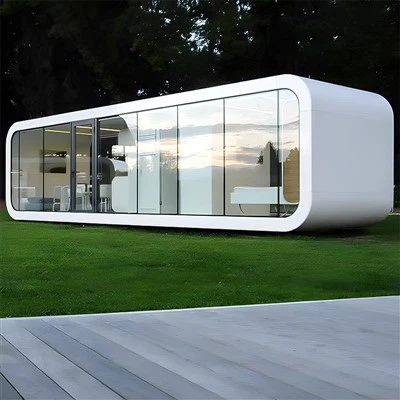
![Modern Prefab Apple Cabin - Premium Container Home With Light-Filled, High-Ceiling Design]() Modern Prefab Apple Cabin - Premium Container Home With Light-Filled, High-Ce...【Applicable Crowd】:read more
Modern Prefab Apple Cabin - Premium Container Home With Light-Filled, High-Ce...【Applicable Crowd】:read more
- Crowd 1, Temporary housing and emergency resettlement, construction site camps, smart... -
![Mobile Expandable Prefab House With 3 Bedrooms]() Mobile Expandable Prefab House With 3 BedroomsThe main advantages of expandable housing include space efficiency, environmental sustainability, adaptability,...read more
Mobile Expandable Prefab House With 3 BedroomsThe main advantages of expandable housing include space efficiency, environmental sustainability, adaptability,...read more -
![Prefab Tiny Detachable Container House]() Prefab Tiny Detachable Container HouseBuilding dimensions: W 6055*2990*2896mmread more
Prefab Tiny Detachable Container HouseBuilding dimensions: W 6055*2990*2896mmread more
frame:2.5mm thickness galvanized steel
Waterproof: without wood... -
![20FT FREFAB FLAT PACK CONTAINER HOUSE HOME]() 20FT FREFAB FLAT PACK CONTAINER HOUSE HOMEProduct Name: Flat-Pack Container House (Modular Packable Unit)read more
20FT FREFAB FLAT PACK CONTAINER HOUSE HOMEProduct Name: Flat-Pack Container House (Modular Packable Unit)read more
Model: Standard 20ft or... -
![Steel House Movable Shipping Container House Prefab Modular Folding Container House For Sale]() Steel House Movable Shipping Container House Prefab Modular Folding Container...A fast-deploy, foldable steel container house designed for mobility and efficiency.read more
Steel House Movable Shipping Container House Prefab Modular Folding Container...A fast-deploy, foldable steel container house designed for mobility and efficiency.read more
Strong, insulated, and... -
![Container House For Hotel]() Container House For HotelContainer houses are innovative, portable housing solutions. These modular structures can be easily disassembled,...read more
Container House For HotelContainer houses are innovative, portable housing solutions. These modular structures can be easily disassembled,...read more
Send Inquiry