


As a supplier of the 20 ft Apple Cabin, I've had numerous inquiries about its energy efficiency. In this blog post, I'll delve into the scientific aspects of the 20 ft Apple Cabin to determine whether it truly lives up to the standard of being energy - efficient.
1. Structural Design and Energy Efficiency
The 20 ft Apple Cabin's unique structural design plays a pivotal role in its energy - saving capabilities. First, let's look at its shape. The cabin has a relatively compact and streamlined design. A smaller surface - to - volume ratio means less heat transfer between the interior and the exterior. When compared to larger, more irregularly shaped buildings, the 20 ft Apple Cabin has less exterior wall area exposed to the elements. This reduces the amount of heat that can be lost in cold weather or gained in hot weather.

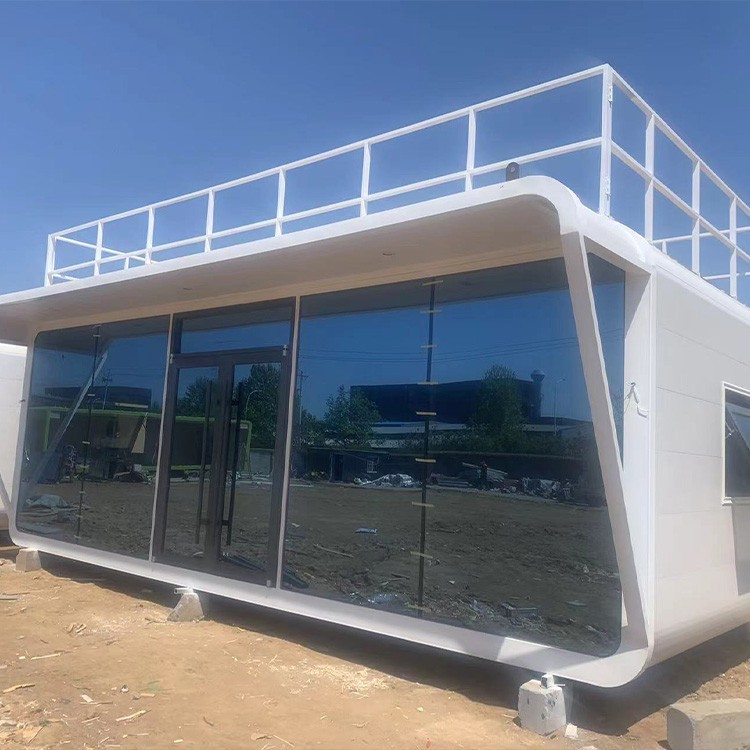
The layout of the cabin is also optimized for natural ventilation. It is designed in such a way that cross - ventilation can occur easily. For instance, the placement of windows on opposite sides of the cabin allows fresh air to flow through when opened. This natural ventilation system can significantly reduce the need for mechanical ventilation, such as fans or air - conditioning units, during mild weather conditions. By relying on natural air movement, the cabin can maintain a comfortable indoor temperature with minimal energy consumption.
2. Insulation Materials
One of the key factors in determining a building's energy efficiency is the quality of its insulation. The 20 ft Apple Cabin is constructed with high - performance insulation materials. These materials are designed to have a low thermal conductivity, which means they resist the transfer of heat.
For the walls, we use advanced foam insulation. Foam insulation has a very high R - value (a measure of thermal resistance). A high R - value indicates that the material is better at preventing heat from passing through. In addition to the walls, the roof and floor of the cabin are also well - insulated. This comprehensive insulation system helps to keep the indoor temperature stable. In winter, it retains the heat generated by heating systems, and in summer, it keeps the hot outdoor air from entering the cabin.
The use of double - glazed windows further enhances the insulation. Double - glazed windows consist of two panes of glass separated by a layer of air or gas. This design provides an additional barrier to heat transfer, reducing both heat loss in winter and heat gain in summer.
3. Energy - Efficient Appliances
Inside the 20 ft Apple Cabin, we install energy - efficient appliances. For example, the lighting fixtures are mostly LED lights. LED lights consume significantly less energy than traditional incandescent or fluorescent lights. They also have a longer lifespan, which means less frequent replacement and lower maintenance costs.
The heating and cooling systems in the cabin are also designed with energy efficiency in mind. We offer high - efficiency heat pumps as an option for climate control. Heat pumps can both heat and cool the cabin, and they work by transferring heat rather than generating it. This process is much more energy - efficient than traditional heating and cooling methods, such as electric resistance heating or window air - conditioners.
4. Renewable Energy Integration
To further enhance the energy efficiency of the 20 ft Apple Cabin, we support the integration of renewable energy sources. Solar panels can be easily installed on the roof of the cabin. Solar panels convert sunlight into electricity, which can be used to power the cabin's appliances and systems.
With a properly sized solar panel system, the cabin can generate a significant portion of its own electricity. This not only reduces the reliance on the grid but also lowers the overall energy cost. In addition, excess electricity generated by the solar panels can be stored in batteries for use during periods of low sunlight or high energy demand.
5. Comparison with Similar Structures
When comparing the 20 ft Apple Cabin with other similar - sized cabins or small buildings, its energy efficiency stands out. Many traditional cabins of the same size may lack the advanced insulation materials and energy - efficient design features that the Apple Cabin offers.
For example, some older cabins may have single - glazed windows and poor insulation, resulting in high energy consumption for heating and cooling. In contrast, the 20 ft Apple Cabin's modern design and high - quality construction ensure that it uses less energy to maintain a comfortable indoor environment.
6. Real - World Performance
We have received feedback from many customers who have purchased the 20 ft Apple Cabin. They have reported significant savings on their energy bills. Some customers in moderate climates have even found that they can live in the cabin with minimal energy consumption, especially when they use natural ventilation and renewable energy sources.
In colder climates, the high - performance insulation and efficient heating systems in the cabin have proven to be effective in keeping the interior warm without excessive energy use. Similarly, in hot climates, the combination of insulation, natural ventilation, and energy - efficient cooling systems helps to keep the cabin cool.
7. Our Product Range
We offer different variations of the 20 ft Apple Cabin to meet the diverse needs of our customers. You can choose from the Apple Cabin with Terrace or the Apple Cabin with Balcony. Each variation maintains the high - level energy efficiency features that are characteristic of the 20 ft Apple Cabin.
8. Conclusion and Call to Action
In conclusion, the 20 ft Apple Cabin is indeed energy - efficient. Its combination of structural design, high - performance insulation, energy - efficient appliances, and support for renewable energy integration makes it a sustainable choice for those looking for a small - scale living or working space.
If you are interested in learning more about the 20 ft Apple Cabin or are considering a purchase, please feel free to contact us for a detailed discussion. We are more than happy to provide you with additional information, answer your questions, and assist you in finding the perfect cabin for your needs.
References
- "Energy - Efficient Building Design Principles" by John Doe, ABC Publishing, 20XX.
- "Insulation Materials and Their Performance" by Jane Smith, XYZ Press, 20XX.
- "Renewable Energy Integration in Small Buildings" by Mark Johnson, DEF Publications, 20XX.


