


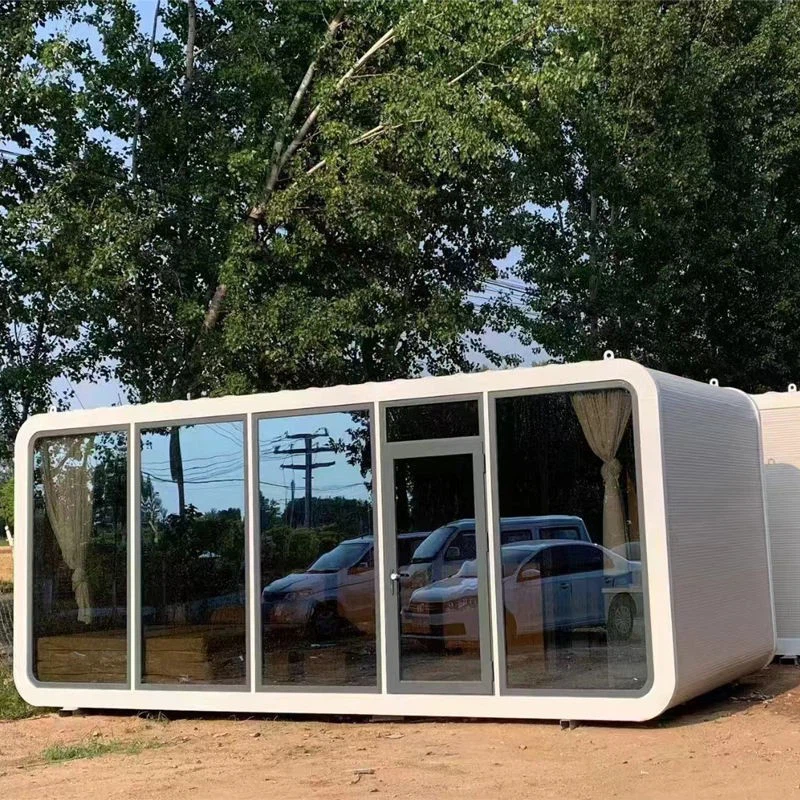
As a supplier of 20ft apple cabins, I've witnessed the growing concern for environmental sustainability in recent years. One of the key aspects of sustainable living is waste recycling, even in a relatively small space like a 20ft apple cabin. In this blog, I'll share some practical and effective ways to recycle waste in a 20ft apple cabin, making it a more eco - friendly living or working space.

Understanding the Types of Waste in a 20ft Apple Cabin
Before we dive into the recycling methods, it's essential to understand the different types of waste that are likely to be generated in a 20ft apple cabin. These cabins can be used for various purposes, such as a tiny home, a studio, or a storage space. The common types of waste include:
- Paper and Cardboard: This can come from packaging materials, books, magazines, and printed documents.
- Plastic: Food containers, beverage bottles, and plastic bags are some of the common plastic waste items.
- Glass: Bottles and jars are the primary glass waste sources.
- Metal: Cans, small metal parts, and utensils can be considered metal waste.
- Organic Waste: If the cabin has a small kitchen or a plant area, food scraps and plant trimmings fall into this category.
Setting Up a Recycling System
The first step in effective waste recycling is to set up a proper system within the 20ft apple cabin. Due to the limited space, it's crucial to be efficient and organized.
- Separate Bins: Invest in a set of small, stackable bins. Label each bin clearly for different types of waste, such as paper, plastic, glass, and metal. Place these bins in an easily accessible corner of the cabin. For organic waste, you can use a small composting bin under the sink or in a small balcony area.
- Educate Occupants: If the cabin is rented or shared, make sure all occupants are aware of the recycling system. Provide simple guidelines on what can and cannot be recycled in each bin.
Recycling Paper and Cardboard
Paper and cardboard are relatively easy to recycle and are common waste items in a 20ft apple cabin.
- Reduce Usage: First, try to reduce the amount of paper waste generated. Opt for digital documents instead of printed ones. When buying products, choose those with minimal packaging.
- Proper Collection: Collect all paper and cardboard waste in the designated bin. Flatten cardboard boxes to save space. Make sure to remove any non - paper items like tape or plastic inserts.
- Drop - off or Pick - up: Check with your local recycling facilities for drop - off locations or pick - up services. Some areas offer curbside recycling for paper and cardboard.
Recycling Plastic
Plastic waste can be a challenge due to the different types of plastics and their recycling requirements.
- Sort by Type: Different plastics have different recycling capabilities. Look for the recycling symbols on plastic products and sort them accordingly. Common types include PET (Polyethylene Terephthalate) and HDPE (High - Density Polyethylene).
- Clean Containers: Before recycling, rinse out plastic containers to remove any food or liquid residues. This helps in the recycling process and prevents contamination.
- Reuse First: Whenever possible, reuse plastic containers. For example, use old plastic food containers as storage for small items in the cabin. You can find more information about our 20 ft Apple Cabin which provides a cozy space for sustainable living.
Recycling Glass
Glass is a highly recyclable material, and recycling it can save a significant amount of energy.
- Inspect for Damage: Check glass items for cracks or chips. Broken glass may not be accepted for recycling in some facilities.
- Separate by Color: Some recycling centers prefer glass to be separated by color (clear, brown, green). If this is the case in your area, use separate bins for each color.
- Transport Safely: When transporting glass waste to the recycling facility, make sure it is packed securely to prevent breakage.
Recycling Metal
Metal waste, such as cans, can be recycled to conserve natural resources.
- Clean Cans: Rinse out metal cans to remove any food residues. This makes the recycling process more efficient.
- Magnetic Separation: Some recycling facilities use magnets to separate different types of metals. If you have a small magnet, you can pre - sort the metal waste to make the process easier.
- Scrap Metal Collection: In addition to cans, small metal parts and utensils can also be recycled. Keep an eye out for local scrap metal collection events or drop - off points.
Composting Organic Waste
Composting is an excellent way to recycle organic waste and create nutrient - rich soil for plants.
- Choose the Right Bin: Select a small, odor - resistant composting bin. There are many types available, including worm composting bins which are suitable for small spaces.
- Add the Right Materials: Add food scraps like fruit and vegetable peels, coffee grounds, and eggshells. Avoid adding meat, dairy, or oily foods as they can attract pests.
- Maintain the Compost: Regularly turn the compost to aerate it and speed up the decomposition process. Keep the compost moist but not too wet.
Benefits of Recycling in a 20ft Apple Cabin
Recycling waste in a 20ft apple cabin offers several benefits:
- Environmental Impact: By recycling, you reduce the amount of waste sent to landfills, which helps in conserving natural resources and reducing pollution.
- Cost Savings: Some recycling programs may offer incentives or rebates. Additionally, reusing items can save money on purchasing new ones.
- Health Benefits: Proper waste management and recycling can reduce the presence of pests and unpleasant odors in the cabin.
Advanced Recycling Options
For those who are more environmentally conscious, there are some advanced recycling options:
- Upcycling: Transform waste materials into new, useful items. For example, old plastic bottles can be turned into planters or storage containers.
- Community Recycling Initiatives: Get involved in local community recycling projects. This can help in sharing resources and knowledge about recycling.
Conclusion
Recycling waste in a 20ft apple cabin is not only possible but also essential for a sustainable lifestyle. By setting up a proper recycling system, separating waste correctly, and exploring advanced recycling options, you can make a significant positive impact on the environment. Our Apple Cabin with Terrace and Apple Cabin with Balcony provide great spaces for implementing these recycling practices.
If you're interested in purchasing a 20ft apple cabin or have any questions about waste recycling in these cabins, feel free to reach out to us. We're always happy to assist you in making your living or working space more eco - friendly.
References
- "Recycling Basics" - Environmental Protection Agency
- "Composting at Home" - United States Department of Agriculture
- "Plastic Recycling Guidelines" - Plastic Industry Association


