


As a supplier of the 11.5 m Space Capsule, I've had a front - row seat to the advancements and challenges in sensor technology within this unique product. Sensors play a crucial role in the functionality, safety, and comfort of our capsules. In this blog, I'll delve into the reliability of the sensors installed in our 11.5 m Space Capsule, sharing insights based on our experience and industry knowledge.
The Importance of Sensors in the 11.5 m Space Capsule
The 11.5 m Space Capsule, which you can learn more about here, is designed to offer a modern and comfortable living or working space. Sensors are the eyes and ears of the capsule, providing real - time data on various aspects such as temperature, humidity, air quality, and occupancy.
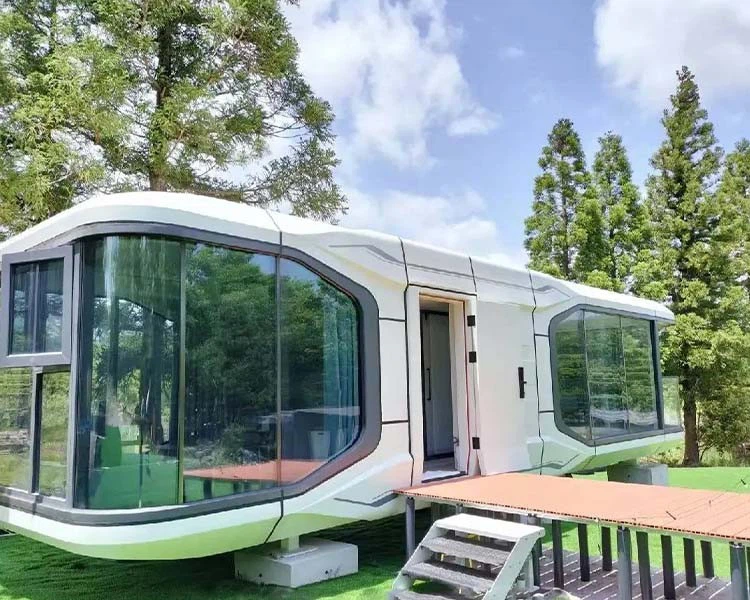

For instance, temperature sensors ensure that the internal environment of the capsule remains within a comfortable range. Whether it's a scorching summer day or a freezing winter night, these sensors communicate with the heating, ventilation, and air - conditioning (HVAC) system to adjust the temperature accordingly. Humidity sensors are equally important, as they help prevent the growth of mold and mildew, which can be harmful to health and damage the interior of the capsule.
Air quality sensors monitor the levels of pollutants such as carbon dioxide, volatile organic compounds (VOCs), and particulate matter. They can trigger the ventilation system to bring in fresh air when the air quality deteriorates, ensuring that the occupants breathe clean and healthy air. Occupancy sensors are used to optimize energy consumption. They can detect when a room is occupied or vacant and adjust the lighting and HVAC settings accordingly, reducing energy waste.
Types of Sensors Used in the 11.5 m Space Capsule
Our 11.5 m Space Capsule is equipped with a variety of sensors, each with its own specific function and level of reliability.
Temperature Sensors
We use high - precision thermistors and thermocouples as temperature sensors. Thermistors are known for their high sensitivity and accuracy, making them ideal for measuring small changes in temperature. Thermocouples, on the other hand, are more rugged and can withstand higher temperatures, making them suitable for use in harsh environments. These sensors have been extensively tested in different temperature ranges and have shown excellent reliability. They are calibrated regularly to ensure accurate readings.
Humidity Sensors
Capacitive humidity sensors are used in our capsules. These sensors work by measuring the change in capacitance of a dielectric material due to the absorption or desorption of water vapor. They offer high accuracy and fast response times. Our humidity sensors are designed to be resistant to dust and contaminants, which can affect their performance. They are also protected against condensation, which can cause damage to the sensor.
Air Quality Sensors
We utilize electrochemical sensors for measuring carbon dioxide and VOCs, and optical sensors for detecting particulate matter. Electrochemical sensors work by detecting the chemical reaction between the target gas and an electrode, producing an electrical signal proportional to the gas concentration. Optical sensors use light scattering to measure the size and concentration of particulate matter. These sensors are highly reliable and can provide accurate readings even in low - concentration environments.
Occupancy Sensors
Passive infrared (PIR) sensors are used for occupancy detection. PIR sensors detect changes in infrared radiation emitted by the human body. They are cost - effective, energy - efficient, and have a wide detection range. Our PIR sensors are designed to minimize false alarms, ensuring that the energy - saving features of the capsule work effectively.
Ensuring Sensor Reliability
To ensure the reliability of the sensors in our 11.5 m Space Capsule, we follow a rigorous quality control process.
Sensor Selection
We carefully select sensors from reputable manufacturers with a proven track record of producing high - quality products. We evaluate the sensors based on their accuracy, reliability, durability, and compatibility with our capsule's systems. Before integrating a sensor into our capsule, we conduct extensive testing in our laboratory to ensure that it meets our strict performance standards.
Installation and Calibration
Proper installation is crucial for the reliable operation of sensors. Our technicians are trained to install sensors in the correct locations and orientations to ensure accurate readings. After installation, all sensors are calibrated to the manufacturer's specifications. Calibration is a process of adjusting the sensor's output to match a known standard. Regular calibration is performed to maintain the accuracy of the sensors over time.
Monitoring and Maintenance
We implement a continuous monitoring system to track the performance of the sensors. This system alerts us if a sensor is malfunctioning or if its readings are outside the normal range. Our maintenance team conducts regular inspections and maintenance of the sensors to ensure their proper functioning. This includes cleaning the sensors, replacing worn - out components, and updating the sensor firmware if necessary.
Real - World Performance and Case Studies
Over the years, we have received positive feedback from our customers regarding the reliability of the sensors in our 11.5 m Space Capsule. For example, a customer who used our capsule as a remote office reported that the temperature and humidity sensors maintained a comfortable working environment throughout the year. The air quality sensors also helped him to identify and address a problem with a leaking paint can, which was releasing VOCs into the air.
In another case, a customer who used our capsule as a vacation home was impressed with the energy - saving features enabled by the occupancy sensors. The sensors automatically adjusted the lighting and HVAC settings based on his presence, resulting in significant energy savings.
Challenges and Future Improvements
Despite our efforts to ensure sensor reliability, there are still some challenges that we face. One of the main challenges is the impact of environmental factors on sensor performance. For example, dust, moisture, and extreme temperatures can affect the accuracy and longevity of the sensors. To address this issue, we are constantly researching and developing new sensor technologies that are more resistant to environmental factors.
Another challenge is the integration of different types of sensors into a single system. As our capsules become more intelligent and connected, we need to ensure that the sensors can communicate effectively with each other and with the central control system. We are working on improving the sensor network architecture to enhance the reliability and efficiency of the overall system.
In the future, we plan to incorporate more advanced sensors into our 11.5 m Space Capsule. For example, we are exploring the use of sensors that can detect the presence of allergens and pathogens, providing an even higher level of health and safety for the occupants. We are also looking into the use of sensors that can monitor the structural integrity of the capsule, ensuring its long - term durability.
Conclusion
The sensors in our 11.5 m Space Capsule are highly reliable and play a vital role in ensuring the comfort, safety, and energy efficiency of the capsule. Through careful sensor selection, proper installation and calibration, and regular monitoring and maintenance, we have been able to provide our customers with a high - quality product that meets their needs.
If you are interested in our 11.5 m Space Capsule or our other products such as the Luxury Capsule House and Capsule House with Terrace, we invite you to contact us for procurement and further discussion. We are committed to providing you with the best solutions for your living and working space needs.
References
- "Sensor Technology Handbook" by Jon Wilson
- "Industrial Sensors: Theory, Characteristics, and Applications" by Andreas Mandelis


