


Hey there! I'm a supplier of the 11.5 m Space Capsule, and today I wanna have a chat about whether other countries can jump into the research and development (R&D) of this amazing piece of tech.
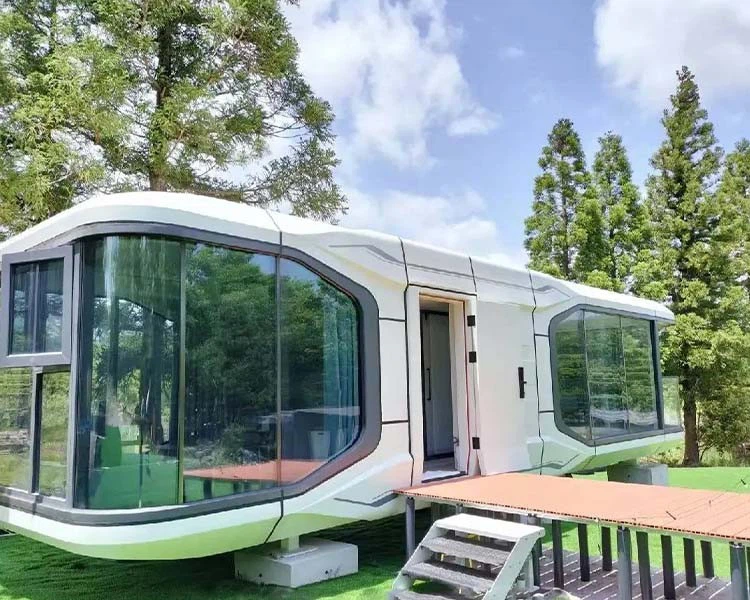
First off, let's talk a bit about what the 11.5 m Space Capsule is all about. It's not just any ordinary capsule. This thing is designed with the latest technology to offer a unique experience, whether it's for space exploration or just a super cool luxury stay on Earth. The 11.5 m length gives it a decent amount of space inside, allowing for various configurations and uses.

Now, can other countries get involved in its R&D? Well, there are a few factors to consider. On one hand, international cooperation in space - related projects has been a thing for ages. When different countries come together, they can pool their resources, knowledge, and expertise. For example, countries might have different strengths in materials science, engineering, or software development. By collaborating, we can speed up the R&D process and come up with better - designed capsules.
Take the International Space Station (ISS) as an example. Multiple countries, including the United States, Russia, and several European nations, joined forces to build and operate it. This collaboration has led to numerous scientific discoveries and technological advancements. If other countries participate in the R&D of the 11.5 m Space Capsule, we could potentially see similar benefits. We could develop more advanced life - support systems, improve the capsule's aerodynamics, or even find new ways to make it more energy - efficient.
But, on the other hand, there are also some challenges. One of the main ones is the issue of intellectual property. When multiple parties are involved in R&D, it can be tricky to figure out who owns what. For instance, if a country contributes a new type of heat - resistant material, they'll want to protect their rights to that technology. There need to be clear agreements in place to avoid disputes down the line.
Another challenge is the regulatory environment. Different countries have different rules and regulations regarding space exploration and technology development. Coordinating these regulations can be a real headache. For example, some countries might have strict export controls on certain technologies, which could slow down the sharing of information and components during the R&D process.
Let's also talk about the potential benefits for the countries that participate. For developing countries, getting involved in the R&D of the 11.5 m Space Capsule could be a great way to build their space - related capabilities. They can learn from more experienced countries and develop their own talent in the field. It could also boost their national pride and international standing.
For developed countries, collaborating with others can give them access to new markets. Once the capsule is developed, it can be sold to various countries for different purposes, such as space tourism or scientific research. And let's not forget about the Luxury Capsule House version. This could be a high - end product that appeals to wealthy individuals around the world, and international cooperation could help in marketing and distributing it more effectively.
The Capsule House with Terrace is another interesting aspect. This design adds an extra element of luxury and functionality. Other countries might have unique ideas on how to enhance this terrace feature, like integrating it with better outdoor lighting or creating a more comfortable seating area.
In terms of the supplier's perspective (that's me!), having other countries involved in R&D could be a win - win. It can help me expand my business network and gain access to new technologies. I could also benefit from the different perspectives and innovation that come from international collaboration.
So, to sum it up, while there are challenges, I believe that other countries can and should participate in the R&D of the 11.5 m Space Capsule. With proper planning, clear agreements, and a shared vision, we can overcome the obstacles and create something truly remarkable.
If you're interested in learning more about the 11.5 m Space Capsule or have ideas about potential R&D collaborations, don't hesitate to reach out. Whether you're a government agency, a research institution, or a private company, I'd love to have a chat and explore the possibilities together.
References
- International Space Station (ISS) official documentation
- Various scientific papers on international space cooperation
- Reports on space technology regulations from different countries


