


Hey there! As a supplier of 20ft apple cabins, I often get asked if it's possible to install a rainwater harvesting system in these cozy little abodes. Well, the short answer is yes, you absolutely can! But there's a bit more to it than just saying yes, so let's dive in and explore this topic in detail.
Why Rainwater Harvesting?
First off, let's talk about why you'd want to harvest rainwater in the first place. There are several good reasons. For one, it's an eco - friendly way to conserve water. With water scarcity becoming a more pressing issue around the world, every drop counts. By collecting rainwater, you're reducing your reliance on municipal water supplies, which is not only good for the environment but can also save you some money on your water bills.
Another great thing about rainwater is that it's soft. Unlike tap water, which often contains minerals like calcium and magnesium, rainwater doesn't leave behind hard water stains on your dishes, clothes, or plumbing fixtures. It's also great for your plants, as it doesn't have the chemicals that are sometimes added to tap water, like chlorine.
Feasibility in a 20ft Apple Cabin
Now, let's get to the main question: Can you install a rainwater harvesting system in a 20ft apple cabin? The answer largely depends on a few factors.
Roof Size and Design
The roof of your 20ft apple cabin is going to be the primary collection surface for the rainwater. The size and slope of the roof play a crucial role. A larger roof area means more surface area to collect rain, which can result in a greater volume of water being harvested. Most 20ft apple cabins have a relatively small roof area compared to larger buildings, but it can still be sufficient for basic rainwater collection.
The slope of the roof is also important. A steeper slope allows rainwater to run off more quickly, reducing the chances of water pooling and potentially causing damage to the roof. It also helps ensure that the water flows efficiently into the gutters and downspouts, which are essential components of a rainwater harvesting system.
Space for Storage
Once you've collected the rainwater, you need a place to store it. This is where the size of your 20ft apple cabin can be a limiting factor. You'll need to find a suitable location, either inside or outside the cabin, to install a water storage tank. There are different types of tanks available, ranging from small, above - ground plastic tanks to larger, underground concrete tanks.
If you're short on space inside the cabin, an above - ground tank can be placed outside, near the cabin. However, you'll need to make sure it's protected from the elements and doesn't detract from the aesthetic appeal of your cabin. An underground tank, on the other hand, can be a great option if you have enough space in the yard and want to keep the tank out of sight.
Local Regulations
Before you go ahead and install a rainwater harvesting system, it's important to check your local regulations. Some areas have specific rules regarding rainwater collection, such as the size of the storage tank, the use of the harvested water, and the installation requirements. Make sure you comply with all the relevant laws to avoid any potential fines or legal issues.
Components of a Rainwater Harvesting System
Now that we've established that it's possible to install a rainwater harvesting system in a 20ft apple cabin, let's take a look at the different components you'll need.
Gutters and Downspouts
Gutters are installed along the edge of the roof to collect the rainwater as it runs off. They channel the water into the downspouts, which are vertical pipes that carry the water from the gutters to the storage tank. It's important to choose high - quality gutters and downspouts that are properly sized for your roof. You'll also need to make sure they're installed correctly and are free of debris to ensure efficient water flow.
First Flush Diverter
A first flush diverter is an important component that helps remove the initial runoff from the roof. This initial runoff often contains dirt, leaves, and other debris that can contaminate the stored rainwater. The first flush diverter diverts this initial water away from the storage tank, allowing only the cleaner water that follows to enter the tank.
Storage Tank
As mentioned earlier, the storage tank is where the harvested rainwater is stored. There are many different types and sizes of tanks available, so you'll need to choose one that fits your needs and the available space. Some tanks come with built - in filters and pumps, which can make the system more convenient to use.
Filtration System
To ensure that the harvested rainwater is clean and safe to use, you'll need a filtration system. This can range from a simple mesh filter to remove large debris to more complex multi - stage filters that can remove bacteria, viruses, and other contaminants. The type of filtration system you choose will depend on how you plan to use the rainwater. If you're only using it for watering your plants, a simple filter may be sufficient. But if you plan to use it for drinking or cooking, you'll need a more advanced filtration system.

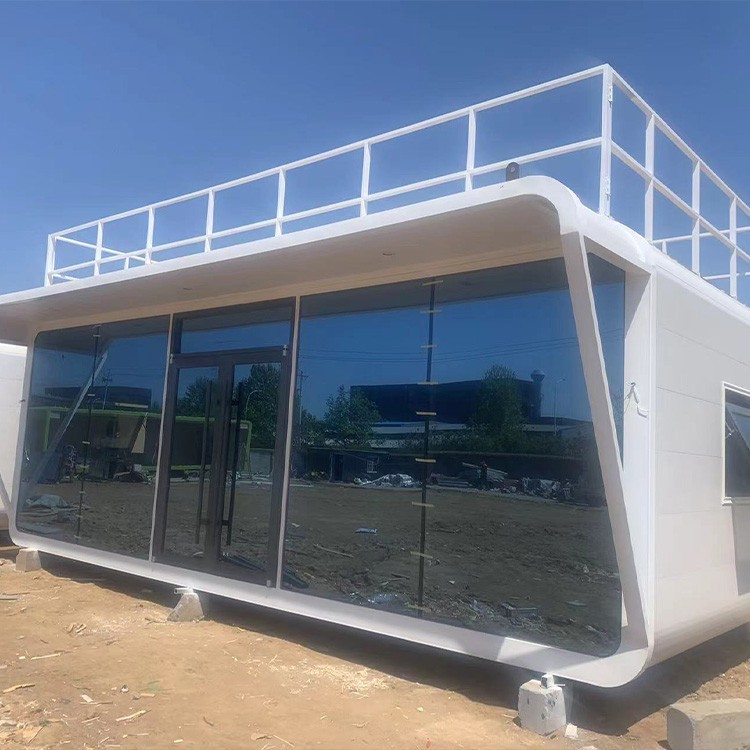
Our 20ft Apple Cabin Offerings
At our company, we offer a variety of 20ft apple cabins, each with its own unique features. Check out our Apple Cabin with Balcony, which provides a great outdoor space to enjoy the view while you're harvesting rainwater. Our 20 ft Apple Cabin is a classic option that offers a cozy and comfortable living space. And if you're looking for a bit more outdoor living area, our Apple Cabin with Terrace is the perfect choice.
Installation and Maintenance
Installing a rainwater harvesting system in a 20ft apple cabin can be a DIY project if you have some basic plumbing and construction skills. However, if you're not confident in your abilities, it's best to hire a professional. A professional installer can ensure that the system is installed correctly and safely, and can also help you choose the right components for your specific needs.
Maintenance is also an important part of owning a rainwater harvesting system. You'll need to regularly clean the gutters and downspouts to prevent clogs, check the filters for debris, and inspect the storage tank for any signs of damage or leaks. It's also a good idea to test the water quality periodically to make sure it's still safe to use.
Conclusion
So, can you install a rainwater harvesting system in a 20ft apple cabin? Absolutely! With the right planning, components, and a bit of maintenance, you can have a functional and efficient rainwater harvesting system that provides you with a sustainable source of water. Whether you're using it for watering your plants, doing your laundry, or even for drinking (with proper filtration), rainwater harvesting can be a great addition to your 20ft apple cabin.
If you're interested in purchasing one of our 20ft apple cabins and learning more about rainwater harvesting systems, don't hesitate to reach out. We're here to help you make the best decision for your needs and guide you through the process.
References
- "Rainwater Harvesting: A Guide to Collecting, Filtering, and Using Rainwater" by Brad Lancaster
- "Water Wise: Practical Solutions for Water Conservation" by Susan J. Campbell


