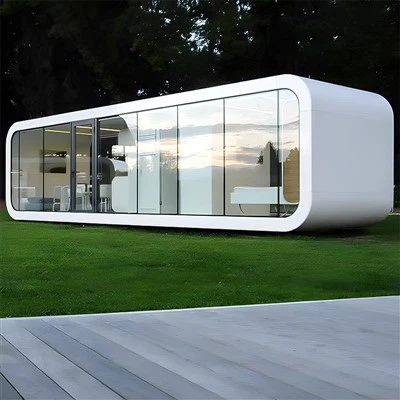
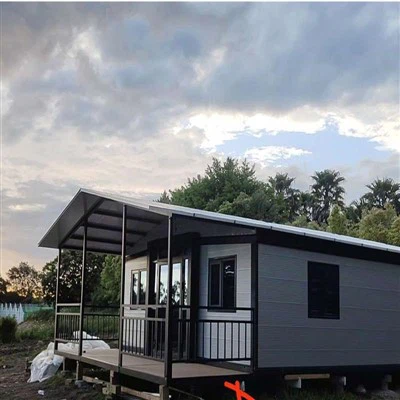
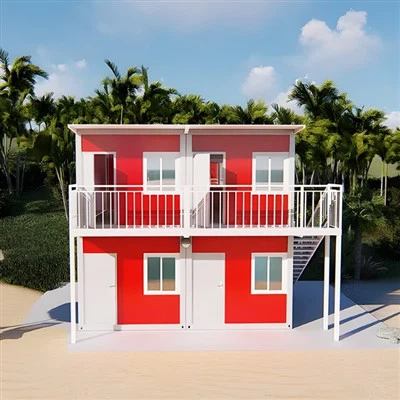
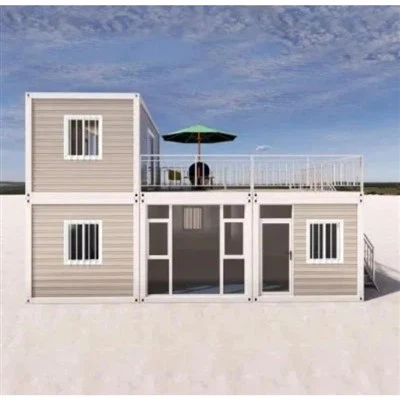
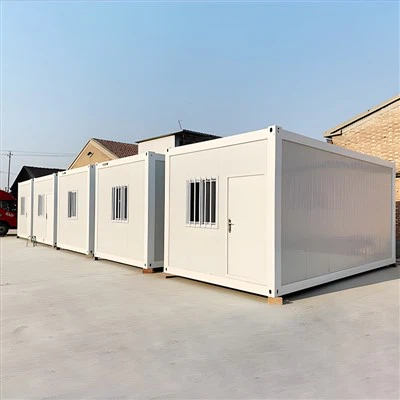
Typical light steel structures are used in a variety of different construction industries. This is because of their excellent performance, safety, and cost-effectiveness. They are also easy to assemble and disassemble. In addition to this, they are suitable for a variety of building types, from low-rise residential to multi-storey multi-use developments.
Light steel structures are manufactured at a fast speed. This is because they are made of pre-designed steel components. These components can be transported to the construction site and ready for installation. This gives the project manager more time to work on other matters. Prefabricated materials also eliminate the need to measure and cut steel on site.
Lightweight steel structures are also capable of supporting heavy point loads and strong elements. Because they are made of non-combustible materials, they can withstand all kinds of disasters. For example, if there is an earthquake, they will not collapse. They also don't rot, shrink, or rust. They are also resistant to termites. They also offer good acoustic comfort and energy efficiency.
The light steel structure has an excellent strength-to-weight ratio. This means that the building will be strong enough to support heavy point loads without compromising its structural integrity. In addition to this, they are capable of achieving spans of up to 6 meters. This means that they can eliminate the need for internal load-bearing walls. In addition, they are able to bend forcefully, allowing flexibility in interior space planning.
The lightweight steel structure is also easy to assemble and disassemble. These parts can be assembled with ordinary bolts and nuts. In addition, they are resistant to termites, earthquakes, and rain. They can also be recycled and reused. The structure can also be dismantled at any time, allowing for a more flexible construction schedule.
Lightweight steel structures can also be used to construct industrial buildings that can be completed in a short period of time. This means that they can be used to build warehouses, factories with overhead cranes, and small and medium-sized industrial plants.
Another benefit of using lightweight steel structures is that they can be fireproof. In addition, they are also fireproof and do not decompose. They are also able to transmit sound through buildings more easily than solid masonry structures. There is also less carbon in the building structure, which is important for reducing the carbon footprint of the building. In addition, the light steel structure has a high degree of flexibility, allowing the installation of large bays and arranging the building layout according to the needs of the building.