


As a supplier of 20ft expandable houses, I understand the importance of protecting these innovative living spaces from the harsh effects of UV rays. UV radiation can cause significant damage to the materials used in the construction of expandable houses, including fading, cracking, and weakening of structural components. In this blog post, I will share some effective strategies and solutions to safeguard your 20ft expandable house from UV rays, ensuring its longevity and aesthetic appeal.
Understanding the Impact of UV Rays on Expandable Houses
UV rays are a part of the electromagnetic spectrum emitted by the sun. They are classified into three types: UVA, UVB, and UVC. While UVC rays are mostly absorbed by the Earth's atmosphere, UVA and UVB rays can reach the surface and cause damage to various materials. In the context of 20ft expandable houses, the following are the main areas where UV rays can have a negative impact:
- Exterior Finishes: UV rays can fade the paint, stain, or other exterior finishes of the expandable house, making it look old and worn out. This not only affects the aesthetic appearance but also reduces the protective layer of the material, making it more susceptible to other environmental factors.
- Window Glass: Prolonged exposure to UV rays can cause the window glass to become cloudy, reduce its transparency, and even weaken the glass structure. This can compromise the energy efficiency of the house and lead to increased cooling and heating costs.
- Furniture and Interiors: UV rays can also penetrate through the windows and damage the furniture, flooring, and other interior elements of the expandable house. They can cause fading, discoloration, and cracking, reducing the lifespan and value of these items.
- Structural Components: Some construction materials, such as plastics and certain types of wood, can be weakened by UV rays over time. This can lead to structural integrity issues, affecting the safety and stability of the expandable house.
Strategies for Protecting Your 20ft Expandable House from UV Rays
1. Choose UV-Resistant Materials
One of the most effective ways to protect your 20ft expandable house from UV rays is to use materials that are specifically designed to resist UV damage. For the exterior of the house, consider using UV-resistant paints, stains, and coatings. These products contain special additives that can block or absorb UV rays, preventing them from reaching the underlying material.
When selecting window glass, opt for low-emissivity (low-E) glass or tinted glass. Low-E glass has a thin metallic coating that reflects UV rays and infrared radiation, reducing heat transfer and protecting the interior of the house from UV damage. Tinted glass, on the other hand, absorbs a portion of the UV rays, reducing the amount of sunlight that enters the house.
In addition, choose furniture and interior materials that are made from UV-resistant fabrics, plastics, and woods. Look for labels that indicate the material's UV resistance rating, and avoid using materials that are known to be prone to fading or damage from UV rays.
2. Install Window Treatments
Window treatments are an excellent way to block UV rays from entering your 20ft expandable house. There are several types of window treatments available, each with its own advantages and disadvantages.
- Blinds: Blinds are a popular choice for blocking UV rays because they can be adjusted to control the amount of sunlight that enters the house. They come in a variety of materials, including wood, vinyl, and aluminum, and can be installed inside or outside the window frame.
- Shades: Shades are another effective option for blocking UV rays. They are available in a range of styles, including roller shades, cellular shades, and Roman shades, and can be made from a variety of materials, such as fabric, vinyl, and bamboo.
- Curtains: Curtains are a decorative way to block UV rays and add privacy to your expandable house. They come in a wide range of colors, patterns, and materials, and can be made from lightweight or heavyweight fabrics.
When choosing window treatments, look for products that are specifically designed to block UV rays. Some window treatments are coated with a special UV-blocking film or have a high UV protection factor (UPF) rating.

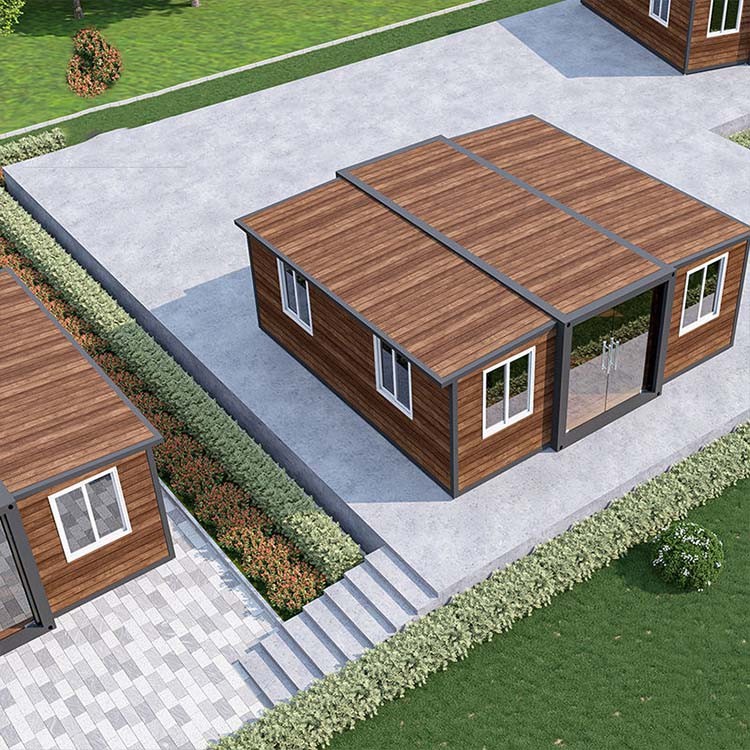
3. Provide Shade
Providing shade for your 20ft expandable house is another effective way to reduce the amount of UV rays that reach the exterior and interior of the house. There are several ways to provide shade, including:
- Awnings: Awnings are a popular choice for providing shade for windows and doors. They can be installed on the exterior of the house and can be retractable or fixed. Awnings come in a variety of materials, including fabric, metal, and vinyl, and can be customized to match the style of your expandable house.
- Canopies: Canopies are similar to awnings but are typically larger and can provide shade for a larger area. They can be installed over patios, decks, or other outdoor living spaces. Canopies come in a variety of materials, including fabric, metal, and vinyl, and can be customized to match the style of your expandable house.
- Trees and Shrubs: Planting trees and shrubs around your 20ft expandable house is a natural way to provide shade and reduce the amount of UV rays that reach the house. Choose trees and shrubs that are native to your area and that have a dense canopy to provide maximum shade.
4. Apply UV-Protectant Films
UV-protectant films are a cost-effective way to protect your 20ft expandable house from UV rays. These films can be applied to the exterior of the house, windows, and other surfaces to block or absorb UV rays.
There are several types of UV-protectant films available, each with its own advantages and disadvantages. Some films are designed to block a high percentage of UV rays, while others are designed to reduce heat transfer and improve energy efficiency.
When applying UV-protectant films, it is important to follow the manufacturer's instructions carefully. Make sure the surface is clean and dry before applying the film, and use a roller or squeegee to remove any air bubbles or wrinkles.
Our 20ft Expandable House Products
At our company, we offer a wide range of 20ft expandable houses that are designed to meet the needs of our customers. Our houses are made from high-quality materials and are built to last. We also offer a variety of customization options to ensure that your expandable house is exactly what you want.
Here are some of our popular 20ft expandable house products:
- Wooden Expandable House: Our wooden expandable houses are made from sustainable wood materials and are designed to provide a warm and inviting living space. They are available in a variety of styles and configurations to meet your needs.
- 20 ft Expandable House with Balcony: Our 20 ft expandable houses with balcony are perfect for those who want to enjoy the outdoors. The balcony provides a great place to relax and enjoy the view, while the expandable design allows you to increase the living space when needed.
- Mobile Expandable Prefab House With 3 Bedrooms: Our mobile expandable prefab houses with 3 bedrooms are designed for those who need a large living space. The expandable design allows you to increase the living space when needed, while the mobile feature makes it easy to move the house to a new location.
Contact Us for More Information
If you are interested in learning more about our 20ft expandable houses or have any questions about protecting your house from UV rays, please contact us. Our team of experts is available to answer your questions and provide you with the information you need to make an informed decision.
We look forward to hearing from you and helping you find the perfect 20ft expandable house for your needs.
References
- American Society for Testing and Materials (ASTM). (2019). Standard Test Method for Evaluating the Colorfastness of Textiles to Light. ASTM D1729-19.
- International Window Film Association (IWFA). (2020). Window Film: A Guide to Energy Efficiency and Comfort.
- National Renewable Energy Laboratory (NREL). (2021). Energy-Efficient Windows.


